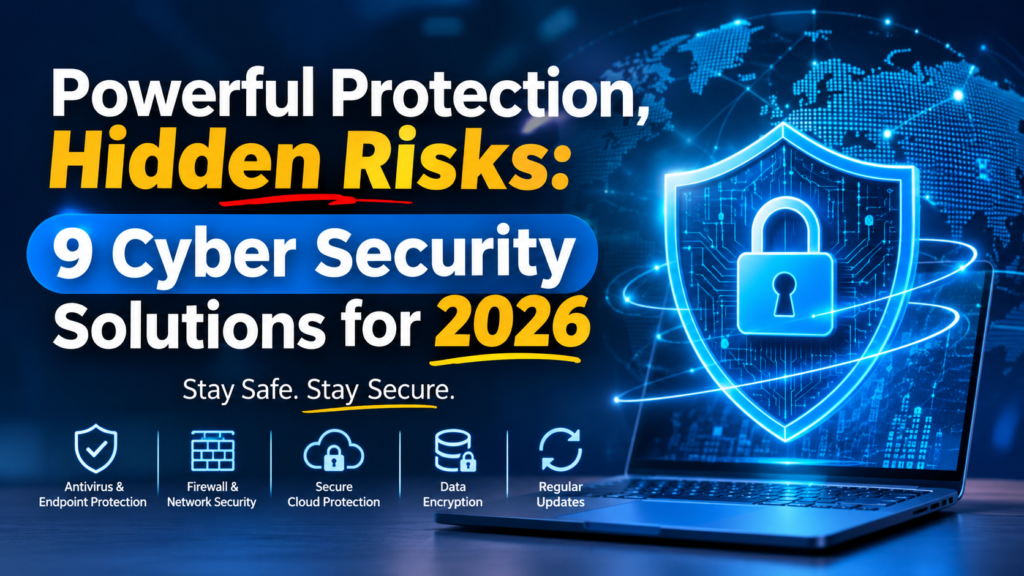
Cyber Security Solutions have become essential for protecting personal information, business operations, and digital assets in 2026. As people and organizations depend more on online services, the risks of cyberattacks continue to grow. From stolen passwords and phishing emails to ransomware and data breaches, digital threats can affect anyone who uses the internet.
Modern technology makes communication, shopping, banking, and business operations easier. However, every connected device and online account can create another opportunity for cybercriminals. This is why individuals and businesses need reliable protection strategies instead of depending on basic antivirus software alone.
The right security approach combines advanced technology, employee awareness, strong passwords, regular updates, and effective recovery plans. Understanding these measures can help users protect their digital lives and make safer decisions online.
What Are Cyber Security Solutions?
Cyber Security Solutions are technologies, services, and practices designed to protect computers, networks, applications, and sensitive information from unauthorized access and digital attacks.
These solutions help prevent cybercriminals from stealing data, damaging systems, interrupting business activities, or taking control of online accounts. They also help organizations identify suspicious behavior and respond quickly when a security incident occurs.
A complete cybersecurity strategy may include:
- Antivirus and endpoint protection software.
- Firewalls and network security.
- Multi-factor authentication (MFA).
- Data encryption and secure backups.
- Email and phishing protection.
- Cloud security and access management.
- Security monitoring and incident response.
Different users require different levels of protection. For example, an individual may need secure passwords and device protection, while a large company may require advanced monitoring, dedicated security teams, and formal risk management.
Why Cyber Security Solutions Matter More in 2026
Digital threats continue to change as technology develops. Cybercriminals use automated tools, social engineering, malicious software, and newly discovered software weaknesses to target individuals and organizations.
The 2026 Verizon Data Breach Investigations Report highlights the growing importance of software security. Its findings show that exploiting software vulnerabilities accounted for 31% of analyzed breaches, making it the leading initial access method in the report. This demonstrates why organizations must prioritize software updates, access controls, and regular security assessments.
Several common threats make cybersecurity particularly important.
1. Phishing and Social Engineering
Phishing attacks use fake emails, messages, websites, or phone calls to trick people into sharing passwords and financial information. Some messages appear to come from banks, delivery companies, employers, or trusted contacts.
Social engineering takes advantage of human behavior rather than relying only on technical weaknesses. A person may reveal confidential information because a message creates urgency or appears trustworthy.
2. Ransomware Attacks
Ransomware is malicious software that can lock files or systems and demand payment for their release. Such attacks can interrupt business operations and make important information unavailable.
Organizations need secure backups, updated systems, and an incident response plan to reduce the damage caused by ransomware.
3. Identity Theft and Account Takeovers
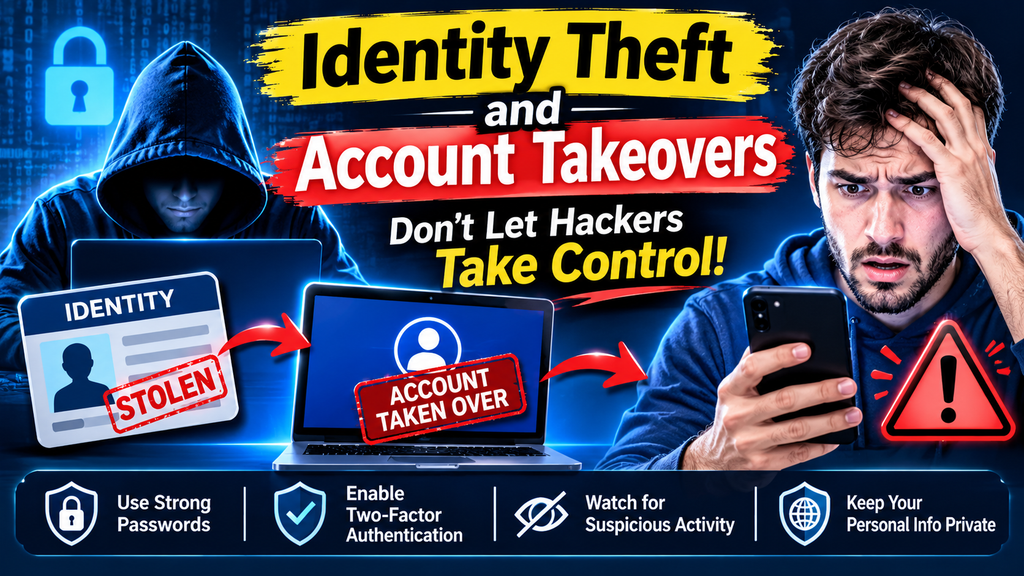
Cybercriminals may use stolen passwords or personal information to access email, banking, shopping, and social media accounts.
Once attackers gain access to one account, they may attempt to enter other services using the same credentials. This makes unique passwords and multi-factor authentication important.
4. Cloud and Third-Party Security Risks
Businesses often depend on cloud platforms, payment providers, software vendors, and external service companies. A weakness in one supplier can create risks for connected organizations.
Companies should review vendor security practices and limit the information and system access given to external providers.
9 Important Cyber Security Solutions for 2026
Protecting a digital environment requires multiple layers of security. No single tool can prevent every attack, but combining reliable solutions can reduce common risks.
1. Antivirus and Endpoint Protection
Antivirus software helps detect, block, and remove malicious programs from computers and other devices. Modern endpoint protection can also identify suspicious activities, isolate affected devices, and provide security alerts.
Individuals should use reputable security software and keep it updated. Businesses should consider endpoint detection and response (EDR) tools that provide better visibility into activity across company devices.
However, antivirus software should not be treated as complete protection. It works best alongside secure browsing habits, software updates, and access controls.
2. Firewalls and Network Security
A firewall monitors incoming and outgoing network traffic according to defined security rules. It helps block unauthorized connections and reduces exposure to suspicious activity.
Home users can benefit from properly configured router firewalls. Businesses may require more advanced network security systems that monitor traffic between departments, servers, remote employees, and cloud environments.
Network segmentation is another useful practice. It separates important systems so that an attacker who enters one area cannot easily access everything else.
3. Multi-Factor Authentication
Multi-factor authentication adds another verification step when someone signs in to an account. Instead of depending only on a password, users must provide an additional form of confirmation.
This may include an authenticator app, security key, or another supported verification method.
For stronger protection, users should prefer phishing-resistant authentication methods, such as passkeys or suitable hardware security keys, where available. MFA is especially important for email, banking, cloud storage, and administrator accounts.
4. Data Encryption
Encryption converts readable information into a protected format that requires an appropriate key to access. It helps protect sensitive information when it is stored or transferred between systems.
Businesses should consider encryption for customer records, financial information, employee files, and confidential documents.
Individuals can also benefit from device encryption and secure connections when using online services. However, encryption does not prevent every type of attack. If an attacker gains access to an authorized account or an unlocked device, additional protections may be needed.
5. Secure Cloud Protection
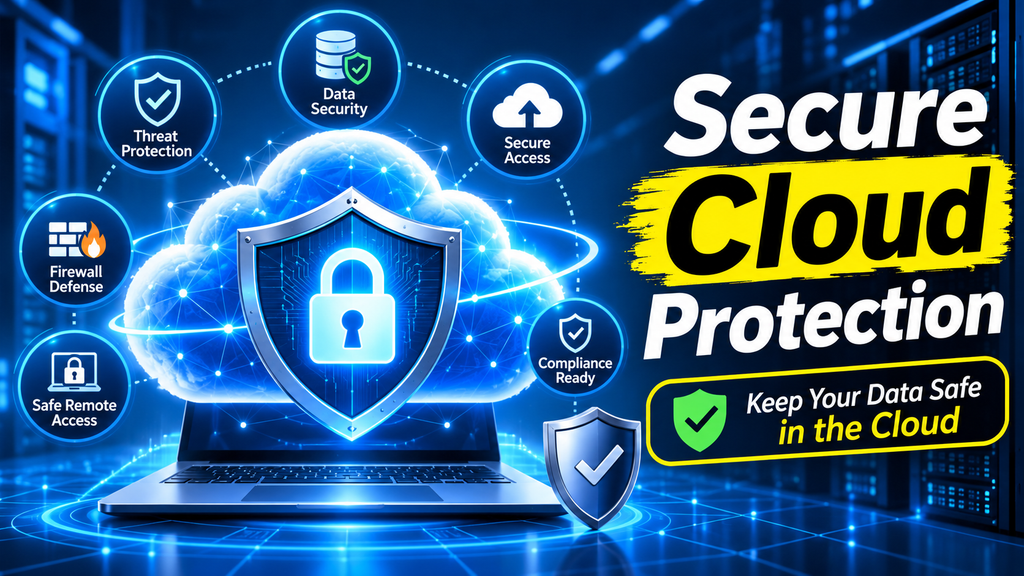
Cloud computing allows users to store files, run applications, and access business services through the internet. However, incorrect permissions, weak passwords, and exposed storage can create security problems.
Cloud security solutions help organizations manage access, monitor suspicious activity, protect information, and maintain secure configurations.
Businesses should review cloud permissions regularly and avoid giving employees more access than their responsibilities require. They should also understand how their cloud provider handles data protection, backup, and incident reporting.
6. Regular Software Updates and Patch Management
Outdated software can contain weaknesses that attackers may exploit. Software developers release updates to fix security problems, improve performance, and support new features.
Users should enable automatic updates whenever practical and replace applications or operating systems that no longer receive security support.
Businesses need a patch management process that identifies vulnerable systems, prioritizes critical updates, and confirms that patches have been installed successfully.
Timely patching is particularly important because attackers can exploit some known weaknesses quickly after they become public.
7. Backup and Disaster Recovery Solutions
Backups protect important information when files are accidentally deleted, devices fail, or ransomware affects a system.
Individuals should regularly back up important photos, documents, and personal files. Businesses should maintain multiple protected copies of critical data, including offline or immutable backups where appropriate.
A backup is only useful if it can be restored. Therefore, organizations should test recovery procedures instead of assuming that saved copies will always work.
A practical disaster recovery plan should explain who is responsible for restoring systems, which services receive priority, and how operations will continue during an interruption.
8. Security Awareness and Employee Training
Employees play an important role in protecting business systems. Even advanced technology may fail to prevent an incident if someone shares a password, opens a harmful attachment, or approves an unexpected login request.
Regular security training helps employees recognize phishing attempts, report suspicious activity, and handle confidential information correctly.
Organizations should also create clear rules for using personal devices, external applications, cloud services, and artificial intelligence tools. Employees need to understand which information must never be shared with unapproved platforms.
9. Security Monitoring and Incident Response
Security monitoring helps identify unusual activities across networks, applications, and devices. It allows security teams to investigate alerts and respond before an incident causes greater damage.
Some organizations use security information and event management (SIEM) platforms to collect and analyze security logs from different systems.
An incident response plan should explain how to isolate affected devices, protect evidence, notify responsible people, and restore normal operations.
Regular security assessments and response exercises can help teams discover weaknesses before a real emergency occurs.
Advantages and Disadvantages of Cyber Security Solutions
Cybersecurity investments provide important benefits, but organizations should also understand their limitations.
Major Advantages
Better data protection: Security controls help prevent unauthorized access to personal, financial, and business information.
Reduced financial risks: Preventing or limiting cyber incidents can reduce recovery costs, operational losses, and potential legal expenses.
Improved customer confidence: People are more likely to trust organizations that handle their information responsibly.
Business continuity: Backups, monitoring, and recovery planning help businesses continue operating after technical problems or security incidents.
Stronger access control: Authentication and permission management help ensure that only authorized people can use sensitive systems.
Possible Disadvantages
Implementation costs: Advanced cybersecurity tools, professional services, and staff training can require a significant budget.
Technical complexity: Some solutions need skilled professionals to configure, monitor, and maintain them.
False alerts: Security software may sometimes flag harmless activities, requiring additional investigation.
Performance impact: Certain security tools may use system resources or affect network performance when poorly configured.
No complete guarantee: Even strong security systems cannot eliminate every possible threat.
The best approach is to select solutions according to actual risks, business requirements, and available resources.
How to Choose the Right Cyber Security Solutions
Selecting security products without understanding your needs can lead to unnecessary costs and protection gaps. Start by identifying the information and systems that matter most.
Consider these important factors:
- Identify your risks: Understand which devices, accounts, applications, and records need protection.
- Set a realistic budget: Choose tools that provide useful protection without creating unnecessary expenses.
- Check compatibility: Make sure security products work with your current devices, software, and cloud platforms.
- Review support options: Look for reliable updates, technical assistance, and clear documentation.
- Consider scalability: Choose solutions that can grow as your business or digital requirements change.
- Test performance: Evaluate tools before deploying them across an entire organization.
- Review security regularly: Reassess your protection as technology, business operations, and cyber threats change.
The NIST Cybersecurity Framework 2.0 is a useful authority resource for organizations that want to understand, assess, and manage cybersecurity risks. It provides a structured approach that businesses can adapt to their size and security requirements.
For businesses that also want to communicate their security expertise and educate potential customers, working with a cybersecurity content marketing agency can help them develop relevant educational content and reach the right audience.
Organizations without an internal security team may also consider a managed security service provider for monitoring, technical support, and incident response assistance.
Best Cybersecurity Practices for Individuals and Businesses
Good security habits make technology more effective. Whether you manage a business or use the internet for personal activities, a few practical steps can improve your protection.
- Use a unique, strong password for every important account.
- Store passwords in a reputable password manager.
- Enable multi-factor authentication wherever possible.
- Install software and security updates promptly.
- Avoid suspicious links, attachments, and unexpected requests.
- Use secure Wi-Fi networks and protect your home router.
- Back up important files and test their recovery.
- Review account activity and remove unused access permissions.
- Limit the personal information shared online.
- Report suspicious messages and security incidents quickly.
Businesses should also maintain an inventory of devices, review supplier access, and establish clear procedures for handling security incidents.
The Future of Cyber Security Solutions
The cybersecurity industry will continue to evolve as businesses adopt artificial intelligence, cloud computing, connected devices, and automated systems.
Artificial intelligence can help security teams analyze large amounts of activity, identify unusual patterns, and prioritize alerts. However, cybercriminals can also use AI to create convincing phishing messages, automate parts of their attacks, and search for software weaknesses.
Organizations must therefore balance innovation with responsible security practices. They should evaluate new tools carefully, control access to sensitive information, and monitor how employees use emerging technologies.
The digital destiny of businesses and individuals will depend partly on how well they protect their information today. Strong security planning, regular assessments, and informed decisions can help create a safer online environment.
Frequently Asked Questions
1. What are Cyber Security Solutions?
Cyber Security Solutions are tools, technologies, and practices that protect devices, networks, applications, and information from cyberattacks, unauthorized access, and data theft.
2. Which cybersecurity solution is most important?
There is no single solution for every situation. Strong authentication, updated software, endpoint protection, secure backups, and employee awareness work together to create better protection.
3. Are Cyber Security Solutions necessary for small businesses?
Yes. Small businesses also store customer information, process payments, and use online systems. Basic security measures can help reduce the risk of data theft, fraud, and operational disruption.
4. How can individuals improve their online security?
Individuals can use unique passwords, enable multi-factor authentication, update their devices, avoid suspicious links, and back up important files.
5. Can cybersecurity completely prevent cyberattacks?
No security system can guarantee complete protection. However, a layered security strategy can reduce risks, identify threats earlier, and limit the damage caused by an incident.
Conclusion
Cyber threats are becoming more complex, making digital protection an important responsibility for individuals and organizations. Reliable Cyber Security Solutions help protect sensitive information, secure online accounts, reduce business interruptions, and improve confidence in digital services.
From antivirus software and firewalls to multi-factor authentication, encryption, and disaster recovery, each security measure plays a valuable role. The right combination depends on your needs, risks, and available resources.
In 2026, cybersecurity should not be treated as a one-time purchase or technical task. It requires continuous attention, regular updates, informed users, and a clear response plan. By taking practical steps today, you can protect your digital assets and build a safer foundation for tomorrow.