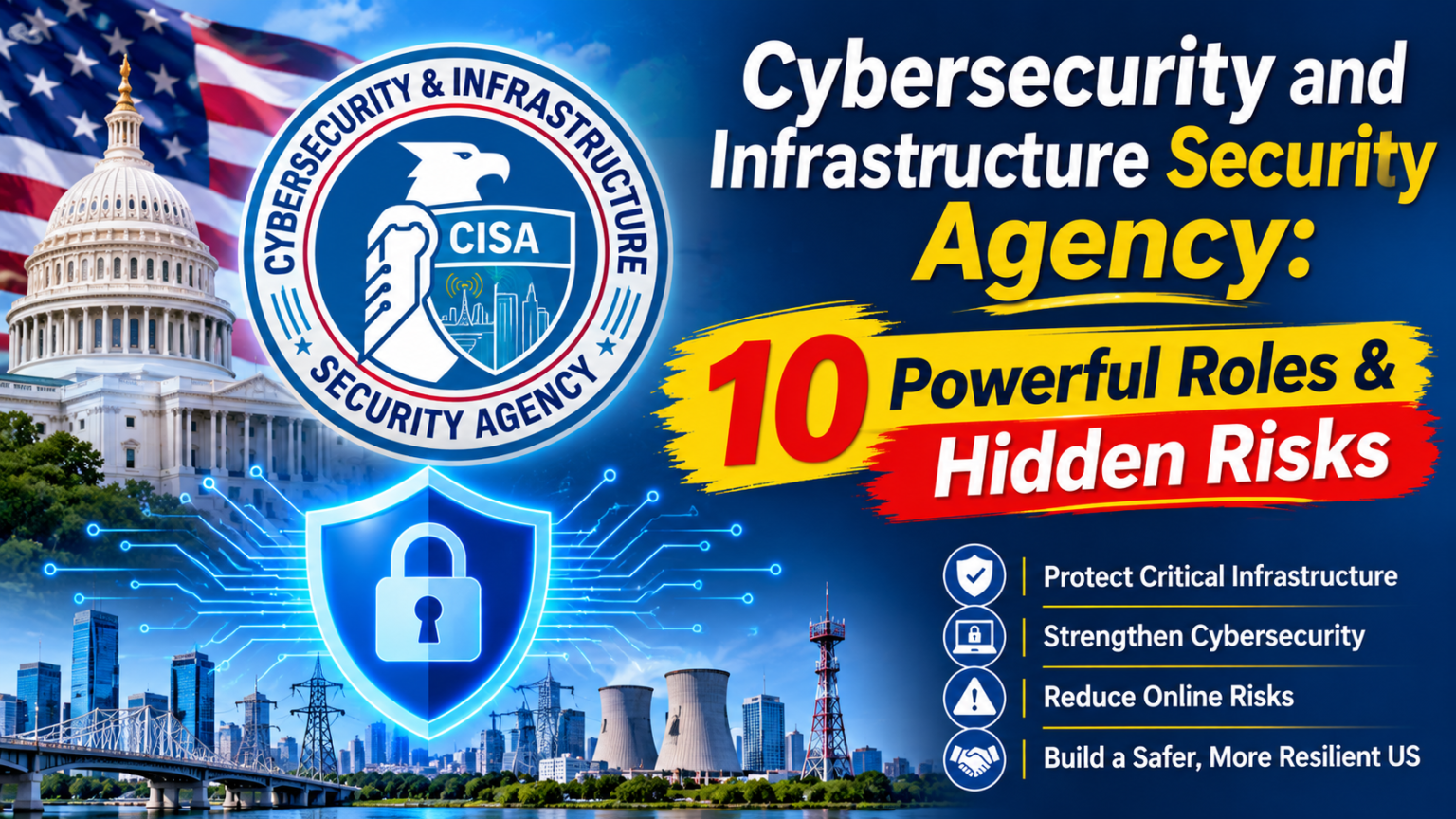
The Cybersecurity and Infrastructure Security Agency (CISA) plays an important role in protecting the United States from cyber threats and physical risks that could disrupt essential services. From government networks and hospitals to energy systems and communication services, modern infrastructure depends on secure and reliable technology.
But what exactly does this agency do? What services does it provide, and how does it help businesses and communities prepare for cyber incidents?
The Cybersecurity and Infrastructure Security Agency works with government departments, private companies, and other partners to identify threats, reduce vulnerabilities, and strengthen national resilience. Understanding its responsibilities can help organizations make better security decisions and recognize the risks that affect critical infrastructure.
What Is the Cybersecurity and Infrastructure Security Agency?
The Cybersecurity and Infrastructure Security Agency is a U.S. federal agency within the Department of Homeland Security (DHS). It leads national efforts to understand, manage, and reduce risks to critical infrastructure.
CISA focuses on both cybersecurity and physical security. Its work includes helping organizations protect digital systems, improving infrastructure resilience, sharing threat information, and supporting incident response.
The agency works with public and private organizations because no single department or company can protect every part of the infrastructure alone.
For an official overview of its responsibilities and programs, visit the Cybersecurity and Infrastructure Security Agency’s official website.
What Does CISA Stand For?
CISA stands for the Cybersecurity and Infrastructure Security Agency. It was established in 2018 to bring important cybersecurity and infrastructure protection responsibilities together under one federal agency.
Its main purpose is to help protect systems and services that people rely on every day. These include electricity, water, healthcare, transportation, communications, and information technology.
The Cybersecurity and Infrastructure Security Agency also encourages organizations to share information and work together against evolving threats.
10 Powerful Roles of the Cybersecurity and Infrastructure Security Agency
The agency performs several important functions to improve national security and reduce the impact of cyber and physical incidents. Here are ten key roles.
1. Protecting Critical Infrastructure
Critical infrastructure includes systems and services that support everyday life and the economy. Examples include power plants, hospitals, financial services, transportation networks, and water facilities.
The Cybersecurity and Infrastructure Security Agency works with infrastructure owners and operators to understand possible weaknesses and improve their security practices.
A successful attack on one essential system can affect many connected services. Therefore, protecting infrastructure is one of CISA’s major responsibilities.
2. Sharing Cybersecurity Threat Information
Organizations need timely information to recognize suspicious activity and respond before damage becomes widespread.
CISA shares cybersecurity information, alerts, guidance, and recommendations with relevant partners. This information can help security teams understand emerging threats and take preventive action.
For example, a company may use an official security alert to review its systems, check for affected software, and apply appropriate updates.
3. Supporting Cyber Incident Response
A cyber incident can interrupt business operations, expose sensitive information, or damage important systems. Organizations may need technical guidance when an incident occurs.
The Cybersecurity and Infrastructure Security Agency supports coordination and response efforts with government and private-sector partners. Its resources can help organizations understand threats, manage risks, and improve recovery planning.
However, organizations should maintain their own incident response teams and procedures. They should not assume that an external agency will manage every part of an incident.
4. Identifying Security Vulnerabilities
A vulnerability is a weakness in software, hardware, or a system that attackers may exploit.
CISA publishes information about known vulnerabilities and provides guidance to help organizations understand and address security weaknesses.
Businesses can use this information to review their technology, prioritize important updates, and reduce exposure to known threats.
Regular vulnerability assessments are also useful because new weaknesses can appear as systems and software change.
5. Improving Emergency Communications
During emergencies, reliable communication is essential. Public safety teams and government organizations need dependable ways to exchange information.
The Cybersecurity and Infrastructure Security Agency supports emergency communications programs and works with partners to improve communication capabilities.
These efforts help organizations prepare for situations in which normal communication networks may be disrupted.
6. Strengthening Public and Private Partnerships
Cybersecurity is a shared responsibility. Government agencies, businesses, technology providers, and infrastructure operators all have important roles.
CISA encourages collaboration between public and private organizations. Sharing useful information can help partners understand risks and improve their security planning.
These partnerships also support a coordinated approach when threats affect multiple organizations or sectors.
7. Providing Cybersecurity Guidance and Resources
Many organizations do not have large security teams or unlimited budgets. Practical guidance can help them improve protection without making their systems unnecessarily complicated.
The Cybersecurity and Infrastructure Security Agency provides resources, recommendations, and tools that organizations can use to strengthen their security practices.
These resources may help businesses review access controls, improve software updates, prepare response plans, and build employee awareness.
8. Promoting Cybersecurity Awareness and Training
Employees can unintentionally create security risks by clicking suspicious links, using weak passwords, or sharing sensitive information.
CISA supports cybersecurity awareness and training through educational resources and programs. These efforts help people recognize common threats and understand safer digital practices.
Organizations should also provide regular internal training. A single awareness session is not enough to keep employees prepared as threats change.
9. Helping Organizations Prepare for Physical Threats
Infrastructure faces more than digital attacks. Natural disasters, physical damage, and other emergencies can also interrupt essential services.
The Cybersecurity and Infrastructure Security Agency works with partners to understand physical risks and improve preparedness.
For example, an infrastructure operator may review facility access, emergency procedures, backup arrangements, and recovery plans to reduce the impact of a disruption.
10. Building Long-Term Infrastructure Resilience
Security is not only about preventing attacks. Organizations must also be able to continue essential operations and recover when incidents happen.
CISA promotes risk management and resilience across critical infrastructure sectors. This includes encouraging organizations to identify dependencies, prepare for disruptions, and improve recovery capabilities.
A resilient organization can respond more effectively when technology fails or an unexpected threat affects its operations.
Why Is the Cybersecurity and Infrastructure Security Agency Important for Businesses?
Although CISA is a U.S. federal agency, its guidance can be useful for businesses and cybersecurity professionals who want to understand infrastructure protection and risk management.
Organizations can learn from its public resources and apply suitable security practices to their own environments.
For a broader introduction to digital protection, read this guide on what is cyber security. It explains the basic concepts that help individuals and businesses protect their systems and information.
Here are several reasons CISA’s work matters to organizations:
- Better threat awareness: Security alerts help teams understand emerging risks.
- Improved preparation: Guidance can support vulnerability management and incident planning.
- Stronger collaboration: Information sharing helps organizations learn from wider security developments.
- Infrastructure protection: Risk management can reduce the chance of serious service disruptions.
- More effective recovery: Preparedness helps organizations restore important operations after an incident.
However, businesses should remember that CISA resources do not replace professional security assessments, legal requirements, or their own responsibility to protect systems and data.
What Are the Hidden Risks Facing Critical Infrastructure?
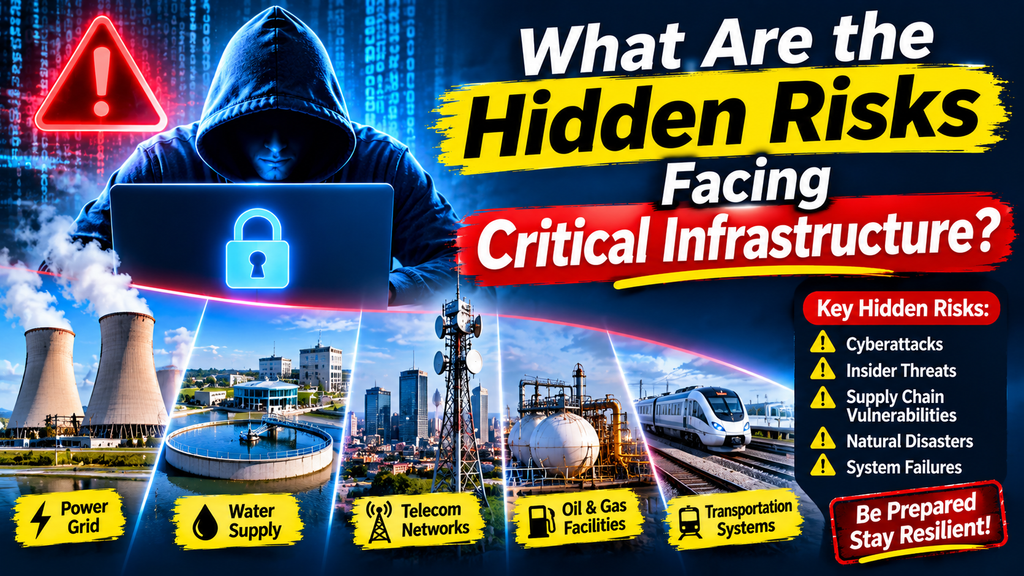
Even with stronger security programs, critical infrastructure continues to face serious challenges. Understanding these risks helps organizations plan more effectively.
Ransomware and Malware Attacks
Ransomware can prevent organizations from accessing important files and systems. Malware may also steal information, disrupt operations, or provide attackers with unauthorized access.
Organizations should maintain secure backups, update software, monitor systems, and prepare an incident response plan.
Outdated Software and Unpatched Systems
Old software may contain known vulnerabilities. If organizations delay security updates, attackers may use those weaknesses to gain access.
Regular patch management and vulnerability reviews can reduce this risk.
Supply Chain Weaknesses
Businesses depend on vendors, software providers, and technology partners. A weakness in one supplier can create risks for connected organizations.
Companies should assess third-party security practices and monitor important supplier relationships.
Human Error and Phishing
Employees may receive fake emails or messages designed to steal passwords and sensitive information.
Security awareness training, multi-factor authentication, and clear reporting procedures can help reduce these threats.
Physical Disruptions
Floods, storms, power failures, and physical security incidents can interrupt essential services.
Organizations should prepare backup arrangements and test their business continuity and disaster recovery plans.
How Can Organizations Apply CISA’s Security Guidance?
Businesses can take practical steps to improve their security posture. They do not need to wait for an incident before reviewing their systems.
- Identify important assets: Make a list of essential systems, devices, applications, and sensitive information.
- Review vulnerabilities: Check for outdated software, weak configurations, and known security issues.
- Use strong access controls: Apply multi-factor authentication and limit access according to job responsibilities.
- Train employees: Teach staff how to identify phishing attempts and report suspicious activity.
- Prepare incident procedures: Decide who will respond, how incidents will be reported, and how operations will continue.
- Secure backups: Keep protected backups and test whether important data can be restored.
- Review suppliers: Understand the security risks connected to third-party services and software.
- Monitor systems: Use suitable security tools to identify unusual activity and investigate potential threats.
These steps support a more organized approach to cybersecurity. Organizations should adapt them to their size, industry, legal obligations, and specific risks.
Is CISA Responsible for Protecting Every Business?
No. The Cybersecurity and Infrastructure Security Agency supports national cybersecurity and critical infrastructure protection, but it does not take over the security responsibilities of every private company.
Businesses remain responsible for protecting their networks, devices, employees, and customer information. They should use appropriate security controls, follow applicable regulations, and seek qualified professional support when necessary.
CISA provides public guidance and works with partners, but organizations must manage their own day-to-day security.
Frequently Asked Questions
1. What is the main purpose of CISA?
CISA’s main purpose is to lead efforts to understand, manage, and reduce risks to U.S. cyber and physical critical infrastructure. It works with government and private-sector partners to improve security and resilience.
2. What does CISA stand for?
CISA stands for the Cybersecurity and Infrastructure Security Agency. It is part of the U.S. Department of Homeland Security.
3. Does CISA help businesses with cybersecurity?
CISA provides public cybersecurity resources, alerts, guidance, and other support that can help organizations improve their security practices. The type of assistance available depends on the program and the organization’s circumstances.
4. What types of infrastructure does CISA help protect?
Its work covers critical infrastructure sectors such as energy, healthcare, communications, transportation, water, financial services, and information technology.
5. Can small businesses use CISA resources?
Yes. Small businesses can review publicly available CISA guidance and apply relevant recommendations to improve security awareness, software management, access controls, and incident preparedness.
Conclusion
The Cybersecurity and Infrastructure Security Agency plays an important role in strengthening national cybersecurity and protecting essential infrastructure. Its work includes sharing threat information, supporting incident response, promoting awareness, improving emergency communications, and encouraging cooperation between public and private organizations.
For businesses, understanding CISA’s responsibilities can provide useful lessons about vulnerability management, employee training, risk assessment, and recovery planning. However, every organization must also take responsibility for its own security.
By learning from trusted cybersecurity guidance and applying practical protective measures, organizations can reduce avoidable risks and build stronger, more resilient systems.